
Directory
Faculty
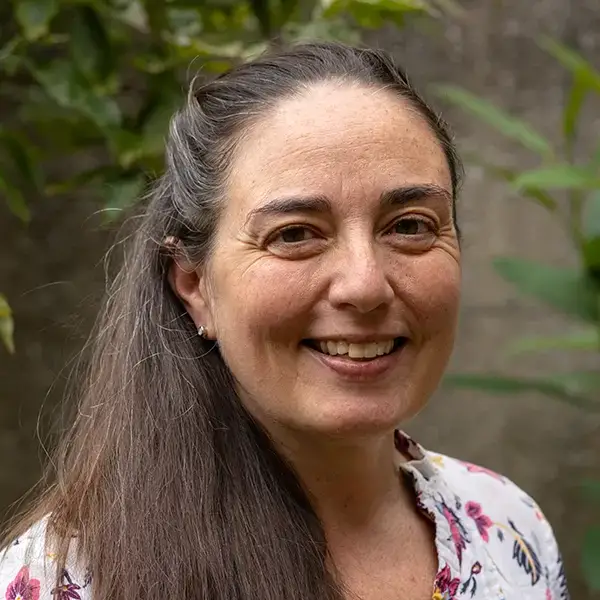
Elizabeth Derryberry
Professor, Ecology & Evolutionary Biology
Director, Collaborative for Animal Behavior
Outreach Director National Institute for Modeling Biological Systems
The Derryberry Lab works on animal communication, particularly bird song. We ask questions such as how does the environment affect sensory and signaling systems? What are the functional consequences of signal evolution in the context of competition and mate choice? Other work in the lab aims to understand avian diversification using robust phylogenies and how behavior buffers organisms from heat in the face of climate change

Julia Albright
Associate Professor, Veterinary Clinical Sciences
Julia Albright and colleagues broadly investigate causes and treatments for anxiety-related disorders in companion animals. Current research centers on pharmaceutical and nutraceutical treatments aimed at reducing the pathological responses to acute and chronic stress in animals.
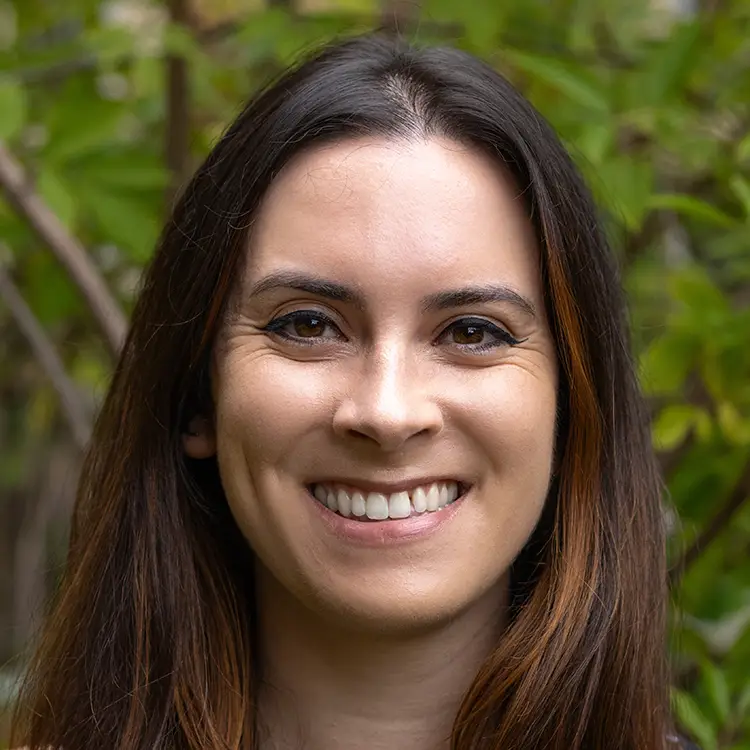
Blair Downey
Assistant Professor, Animal Science
The Downey Lab investigates how domestic animals perceive and respond to common management practices to improve animal welfare. We are primarily interested in understanding how barren environments, especially in early life, affect behavior and cognition in dairy cattle.
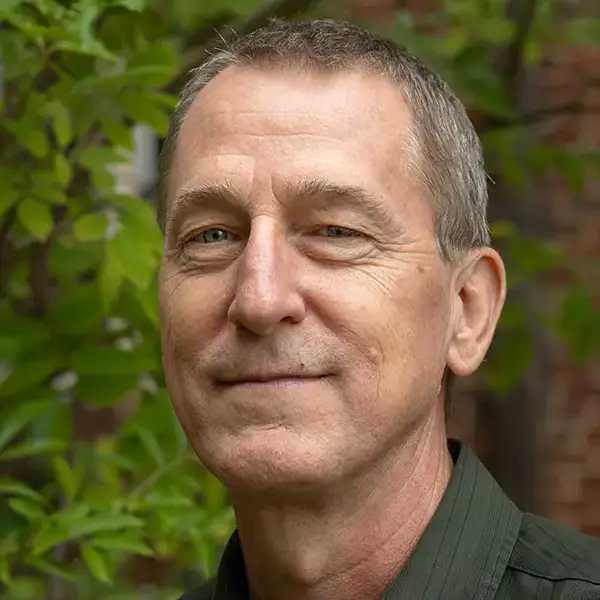
Todd M. Freeberg
Professor and Associate Head, Department of Psychology & Neuroscience
Director of the College Scholars Honors Program in the College of Arts & Sciences
The Freeberg Lab studies how variation in social groups influences the ways individuals communicate and make behavioral decisions. A major line of research involves testing the role of social complexity in driving variation in vocal signaling in chickadee and titmouse species. We use naturalistic observational and experimental approaches in both field and semi-natural aviary settings. We have recently begun testing the role of social contextual variables on decisions about shelter choice in cockroaches.
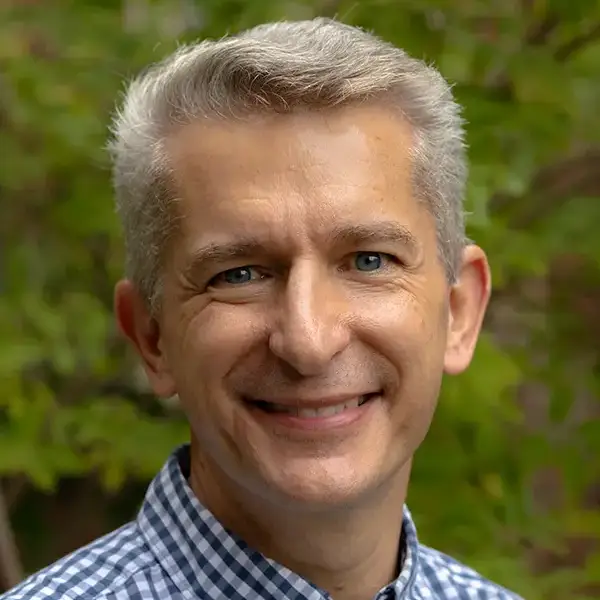
Daniel Hembree
Professor, Earth, Environmental & Planetary Sciences
The Hembree Lab investigates the record of terrestrial animal behavior through Earth history through the study of fossil burrows, borings, tracks, and trails. Interpreting the significance of these fossils involves the study of modern analog animals in the laboratory and field. We work primarily with soil invertebrates with the goal of understanding the long-term effects of environmental and climatic change on animal behavior.
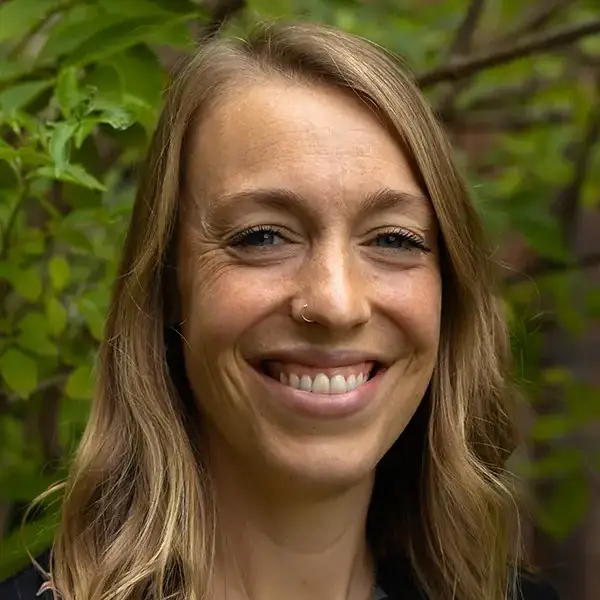
Claire Hemingway
Assistant Professor, Ecology & Evolutionary Biology
Assistant Professor, Psychology & Neuroscience
Research Associate, Smithsonian Tropical Research Institute
The Hemingway Lab broadly explores the mechanisms, outcomes, and evolutionary consequences of animal decision-making. To address this question, we study foraging behavior in both bats and bees. Specifically, we ask how animals evaluate and make decisions between foraging options based on each option’s signal and reward properties. We also ask whether species differ in decision-making mechanisms based on their foraging strategy or other aspects of their ecology. Finally, we are interested in how certain decision mechanisms may shape the targets of those decisions, such as floral signals and rewards.
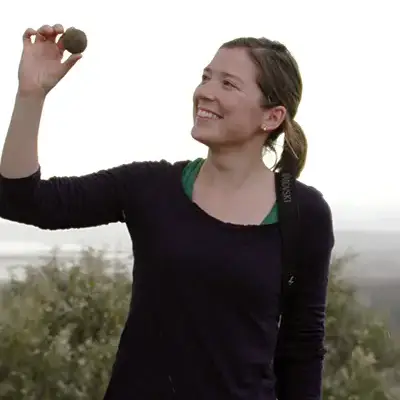
Kimberly S. Sheldon
Associate Professor Ecology & Evolutionary Biology
The Sheldon Lab examines the patterns and processes leading to the distribution of organisms and uses this information to predict impacts of anthropogenic change on species and ecological communities. We work across broad latitudinal and elevational gradients and integrate the fields of physiology, behavior, ecology, and evolution. We work with a variety of taxa, but much of our experimental research is with dung beetles.
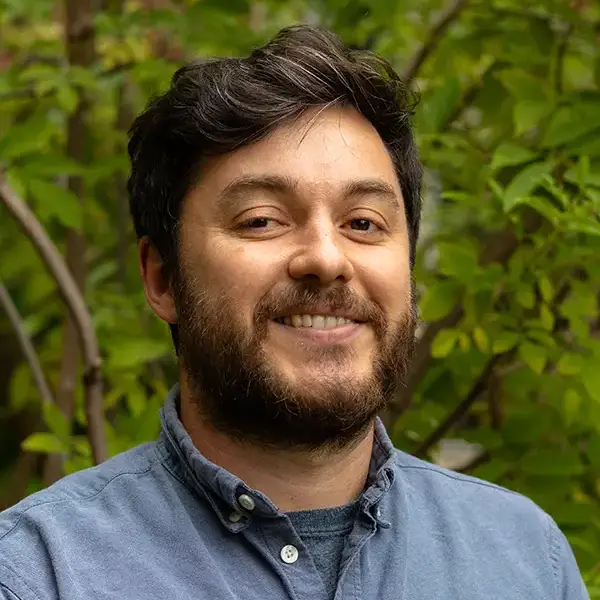
Sebastian Stockmaier
Assistant Professor Ecology & Evolutionary Biology
Research Associate, Smithsonian Tropical Research Institute
The Stockmaier Lab works at the intersection of behavioral and disease ecology. We are interested in the reciprocal interactions between pathogens and behavior, particularly in social contexts. We aim to explore the ecological, evolutionary, and epidemiological implications arising from these interactions. We study this predominantly in neotropical bats but are constantly looking to expand our repertoire of animal systems to answer our questions.
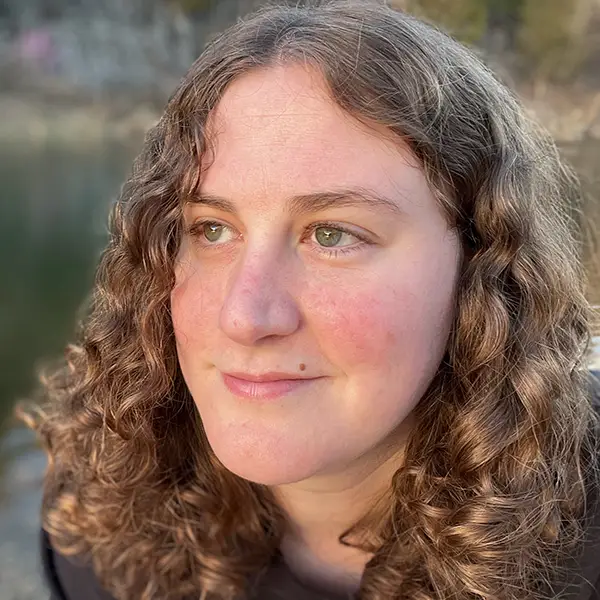
Jessie C. Tanner
Assistant Professor, Ecology & Evolutionary Biology
Assistant Professor, Psychology & Neuroscience
Affiliated Faculty, Appalachian Justice Research Center
The Tanner Lab addresses fundamental questions about the evolution of animal communication. We work primarily with acoustically communicating animals, including treefrogs and field crickets, to understand receiver decision-making and its evolutionary consequences.
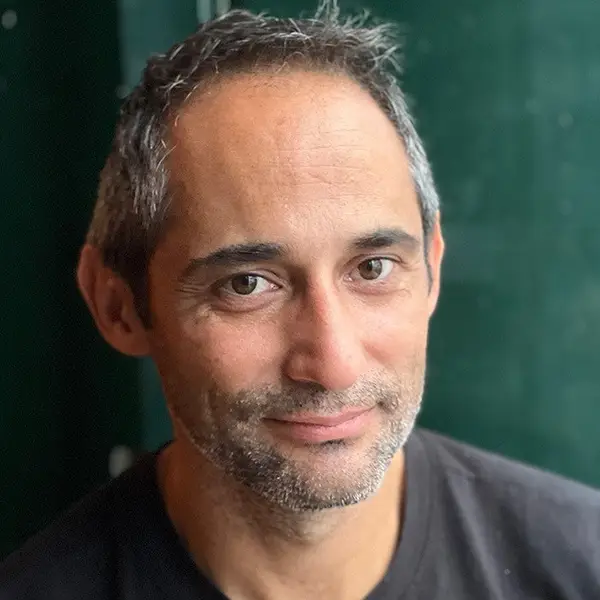
Alejandro Vélez
Assistant Professor, Psychology & Neuroscience
The Vélez Lab integrates ecological, behavioral, physiological, and anatomical studies, under a comparative framework, to investigate the mechanisms, function, and evolution of animal communication signals and signal-processing mechanisms.
Emeritus
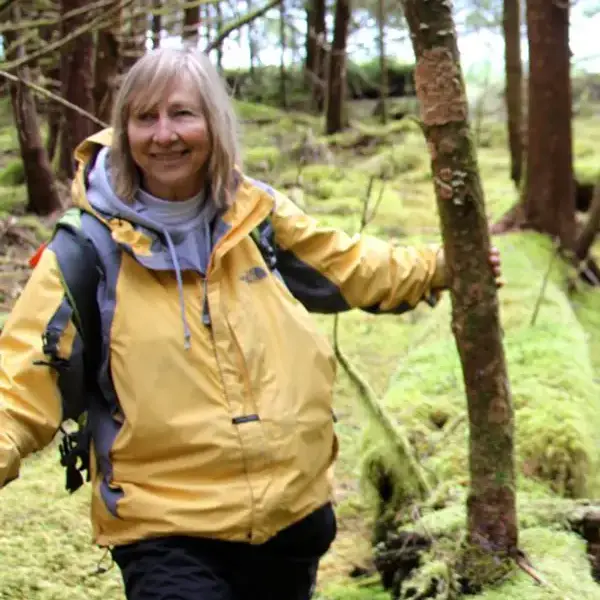
Susan Riechert
Susan Riechert is renowned for her extensive research on spider behavior and ecology. Her work has provided deep insights into behavioral ecology, particularly in understanding how environmental factors influence behavioral strategies in spiders. During her work with Agelenopsis aperta, she played a key role in uncovering an important class of medicines to treat brain health, inspired by agatoxins. Her research not only advanced the understanding of these compounds but also demonstrated their potential therapeutic applications, paving the way for innovative treatments in neuroscience. At the University of Tennessee, she has been instrumental in promoting research and education in animal behavior, mentoring numerous students and contributing to the development of the department’s research capabilities. She also founded Biology in a Box (now Easy as Play), a K12 program that employs a hands-on inquiry-based approach to teaching STEM.
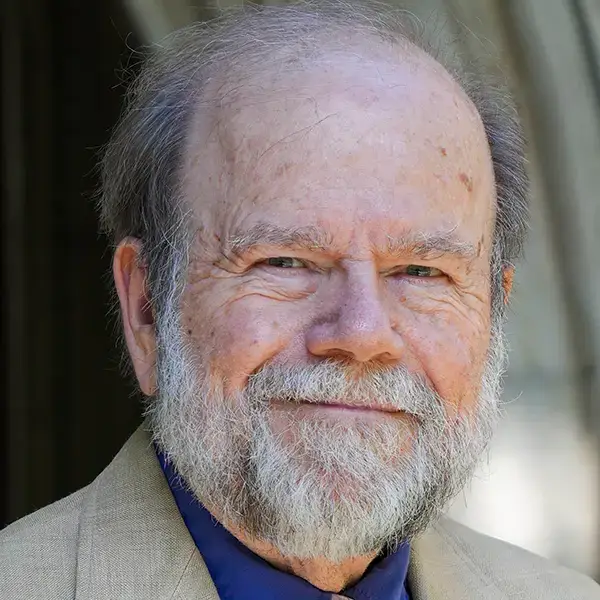
Gordon Burghardt
Gordon Burghardt is an Alumni Distinguished Professor Emeritus of Psychology and Neuroscience, and Ecology and Evolutionary Biology. His research and writings have focused on comparative behavioral development in many species, including iguanas, black bears, turtles, crocodylians, and especially chemoreception, feeding, antipredator behavior, and sociality in snakes. He is probably best known for his pioneering work in the study of play behavior across various animal species, including reptiles. His research has expanded the understanding of the evolutionary, developmental, and theoretical aspects of play. He has also worked on conceptual and historical aspects of ethology and comparative psychology, written and edited several books, and served as editor of several journals. At the University of Tennessee, Burghardt has been a key figure in advancing the study of animal behavior, fostering interdisciplinary collaborations, including the interdisciplinary Life Sciences Program in Ethology (prior to EEB coming into existence) and enhancing the university’s reputation in this field. He recently was awarded (2024) the Distinguished Animal Behaviorist Award by the Animal Behavior Society. He also serves as a core member of NeuroNET, a UT based research center whose mission is to foster and support cutting edge research and training in brain science.
Gary McCracken
Gary McCracken has made significant contributions to the study of bat behavior, ecology, and conservation. His research has pioneered studies on bat social behavior, communication, population dynamics, and ecosystem services. McCracken’s work has linked the use of molecular tools to studies of behavior, foraging, and high-altitude flight, and to document the roles of bats in preserving ecosystem health. At the University of Tennessee, he has led research initiatives focused on bat conservation and has been active in promoting evolutionary research and education. He is a recipient of the Miller Award, the highest award for research on bats, and, in 2020, was awarded the Macebearer award, the highest faculty honor at the University of Tennessee.
Postdoctoral Researchers
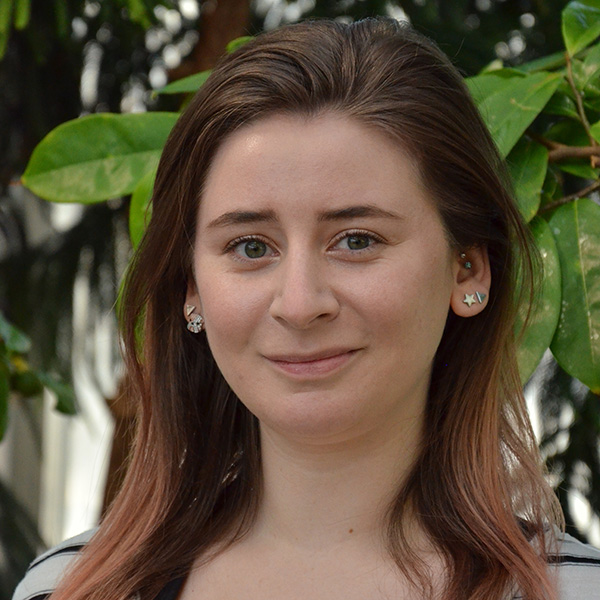
Olivia Harris
Postdoctoral Researcher – Hemingway and Tanner labs
Olivia Harris is a visual ecologist working with the Hemingway and Tanner labs as a CoLAB Postdoctoral Research Fellow. Olivia Harris’ research interests are centered around color, color signaling, and visual cognition in invertebrates. Her work in CoLAB will evaluate how artificial lighting used Controlled Environment Agriculture affects the ability of pollinators to locate floral signals and navigate within and between flowers.

Andre Vieira Rodrigues
Postdoctoral Researcher – Hemingway Lab
Rodrigues’ research examines the cognitive strategies animals employ when confronted with conflicting or unreliable information. Currently, he investigates how bees evaluate deceptive signals (e.g., mimic flowers) versus reliable alternatives, shedding light on plant-pollinator evolution, even when flowers do not provide a reward. He is interested in expanding the study of decision-making across species and sensory modalities (visual, acoustic, olfactory), linking behavioral flexibility to ecological and evolutionary pressures. By integrating experimental approaches with broader theoretical and comparative frameworks, he aims to uncover how animals navigate uncertainty and how cognition adapts to diverse challenges.
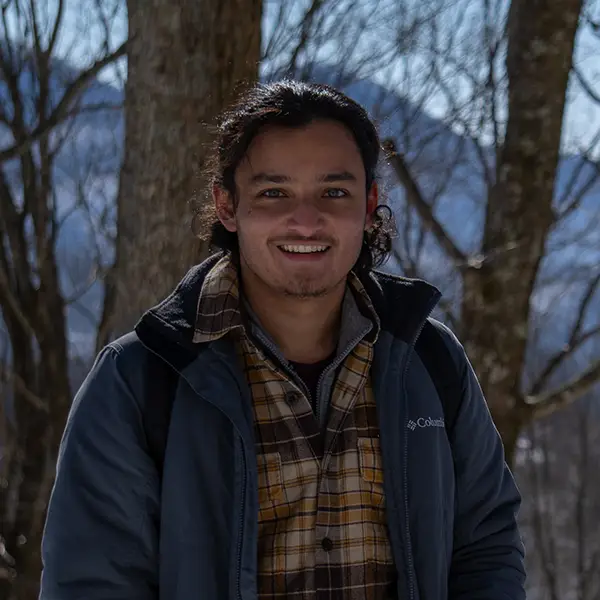
Juan Zuluaga
Postdoctoral Researcher – Derryberry Lab
My work focuses on the thermal eco-physiology of birds. I explore questions such as how do birds adjust their thermoregulatory traits across seasons? How do birds in extreme thermal environments respond to climate change and heatwaves? To answer these questions, I use an interdisciplinary approach that applies methods from behavioral ecology and thermal physiology.